About the Committee
Background
Nigeria faces a revenue challenge that cuts across every tier of government. The country’s tax-to-GDP ratio is among the lowest globally and well below the African average — a shortfall that has driven heavy reliance on borrowing, eroding the fiscal space as debt service claims a growing share of revenue each year.
Incremental progress has been made, but the outcomes have not yet been transformative. The Committee was set up to change that — by redesigning Nigeria’s fiscal system across revenue mobilisation, quality of spending and sustainable debt management.
What the Committee is set up to achieve
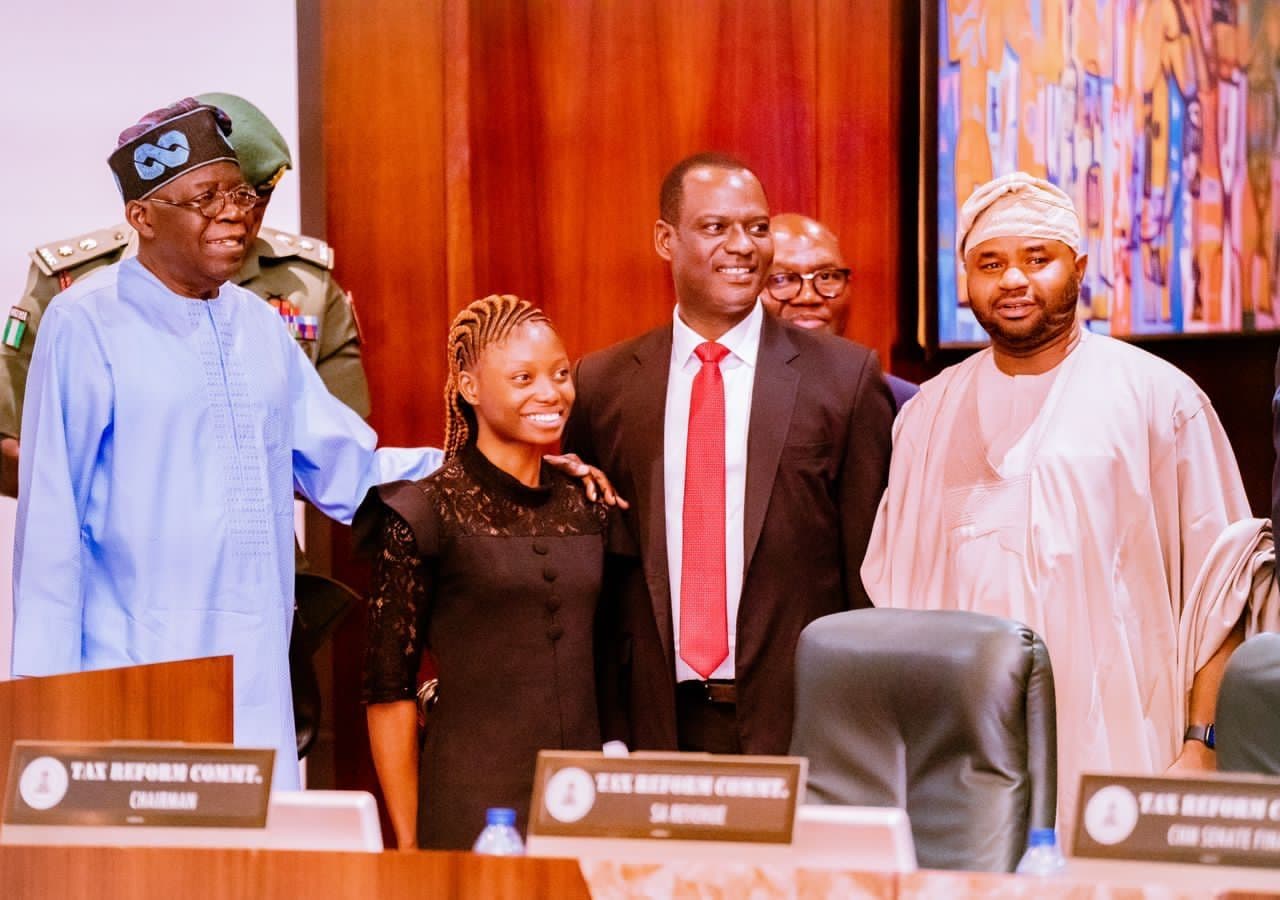
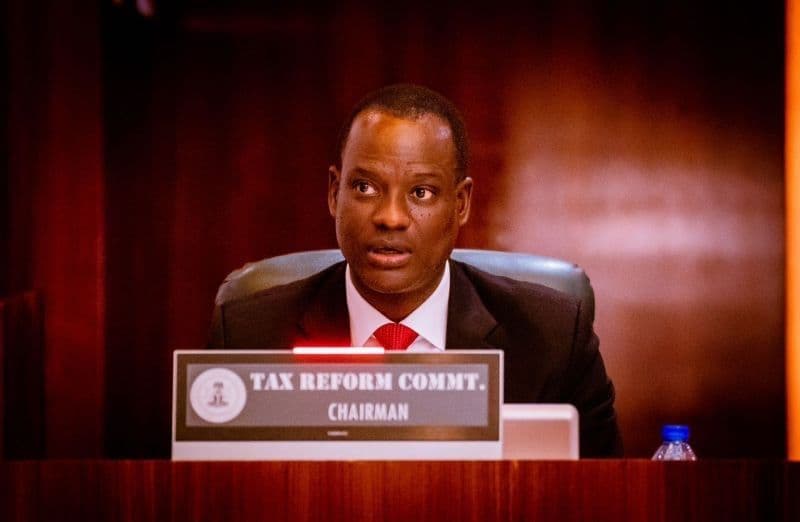
The Committee’s mandate is to harmonise multiple taxes and levies into a single-digit list, unify revenue collection per tier of government, modernise tax administration through technology, and target an 18% tax-to-GDP ratio by 2026.
Beyond harmonisation, the work spans curbing evasion through data intelligence, removing fiscal disincentives to business growth, and institutionalising the reform framework so the gains outlast any one committee.
Working with global and local partners
Selected local and international observers and partners support the Committee’s work, including the World Bank, the International Monetary Fund, the United Nations, BudgIT and the Tax Justice & Governance Platform.